BermaxHVAC
Bermax Retail Industries Inc.
6084 Hyndman Dr, Melbourne, Ontario N0L 1T0
(519) 702-4725 · BermaxHQ@gmail.com
Your price, in writing.
Nobody had to take your phone number for this. It is the published price for a home of your size, with the tax worked out, so you can read it at the kitchen table and show it to whoever else is deciding.
It becomes your price once one of us has been through the house. We check the ductwork, the panel and where the equipment goes, in person — that visit is what turns this into a quote, and until it happens nothing here is an agreement.
What you chose
| Home size | |
|---|---|
| System | |
| Furnace | |
| Outdoor unit |
The money
| Installed price | |
|---|---|
| HST at 13% | |
| Total, including tax | |
| Deposit to hold a week | |
| Balance, due on completion |
Your federal rebate
| Installed price | |
|---|---|
| Canada’s National Heat Pump Rebate | |
| Net, once the rebate is paid |
Worked out on the $2,000. Where a household’s after-tax income is at or below the median for Ontario and its household size, the rebate is more than that, up to $10,000 — the Canada Revenue Agency decides that from your own tax return, so your net cost may be lower than the figure above, and it will not be higher.
What your invoice will carry
Canada pays the rebate off the installing contractor’s receipt, so ours is written to the programme’s specification. Every invoice we issue carries all five fields it asks for, plus the installation date, which starts your six months to apply:
- Your name, and the address the system was installed at
- Bermax Retail Industries Inc., the installing company
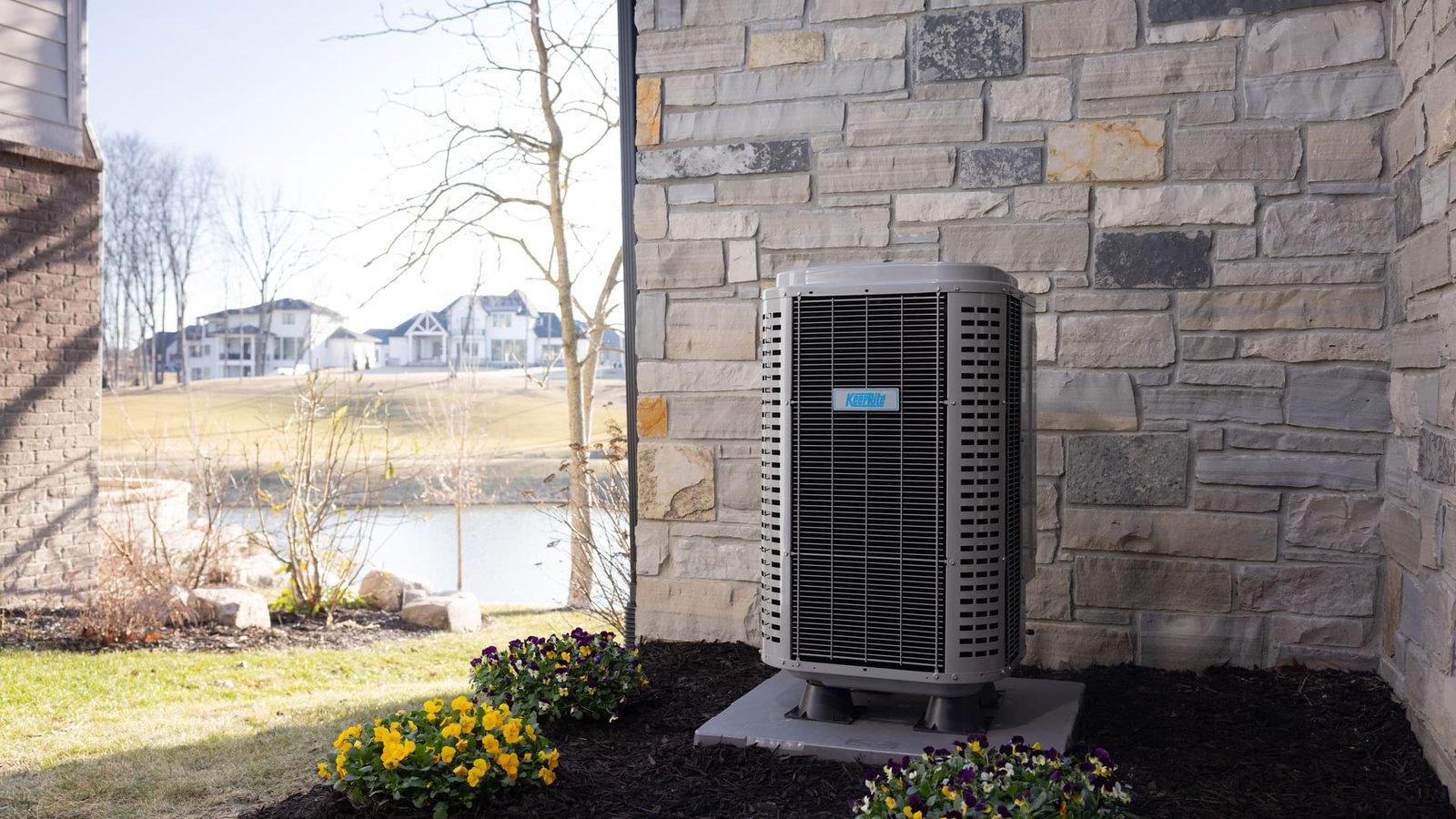
- The make, model and AHRI reference number of the equipment. The outdoor unit priced here is the KeepRite ; the AHRI reference belongs to the exact outdoor unit, coil and furnace combination, so it is read off what is actually installed and written on your invoice rather than guessed at here.
- The number of heat pumps installed
- The total project cost, including any ductwork and electrical work
- The date of installation
What the price covers
- The furnace, the matched outdoor unit and the cased coil, specified as one system
- Sheet metal transitions formed to your furnace opening
- Lineset run and brazed under flowing nitrogen, then deep vacuum and a decay test before charging
- Electrical whip and disconnect, the thermostat, and the pad
- Commissioning: static pressure, airflow, charge weighed and verified, changeover point set for your house
- Ten years parts and labour, and the manufacturer warranty registered in your name
- Two licensed tradesmen on your house for two days, the Wednesday and Thursday of your week
The few things that would change it
We price for a changeout and the ordinary surprises are already in the number. These genuinely sit outside it, and they are rare:
- Asbestos in or around the existing equipment, which a licensed abatement contractor has to remove first
- No gas line to where the furnace goes
- An electrical panel with no room for the circuit the new equipment needs
- Ductwork that has to be rebuilt rather than adapted
If we find any of them at the site visit we tell you what it costs before anything is ordered, and you can take your deposit back and walk away.
The deposit
The deposit holds one installation week. It is not a fee and it comes off your total. It is refundable in full, for any reason, until we have visited your home — you do not need to give us a reason and we will not ask for one.
What this document is
This is an estimate, not a contract, and it does not bind either of us. It is the published package price for a home of the size you selected. The final price comes after we measure your house room by room and run the load calculation, which may land you on a different size of system than the band suggests — it could be less than this as easily as more. You will have that final price in writing, and the full written agreement, before any work begins and before you owe anything beyond the refundable deposit.
Nothing here reduces the rights Ontario law gives you as a consumer under the Consumer Protection Act, 2002.
Bermax Retail Industries Inc., trading as BermaxHVAC · TSSA registered · Gas Fitter 1 & 2 · 313D · bermaxhvac.com